
What is a Turnover Order?
- Author: Mike Weston
- Last Modified: October 19, 2025
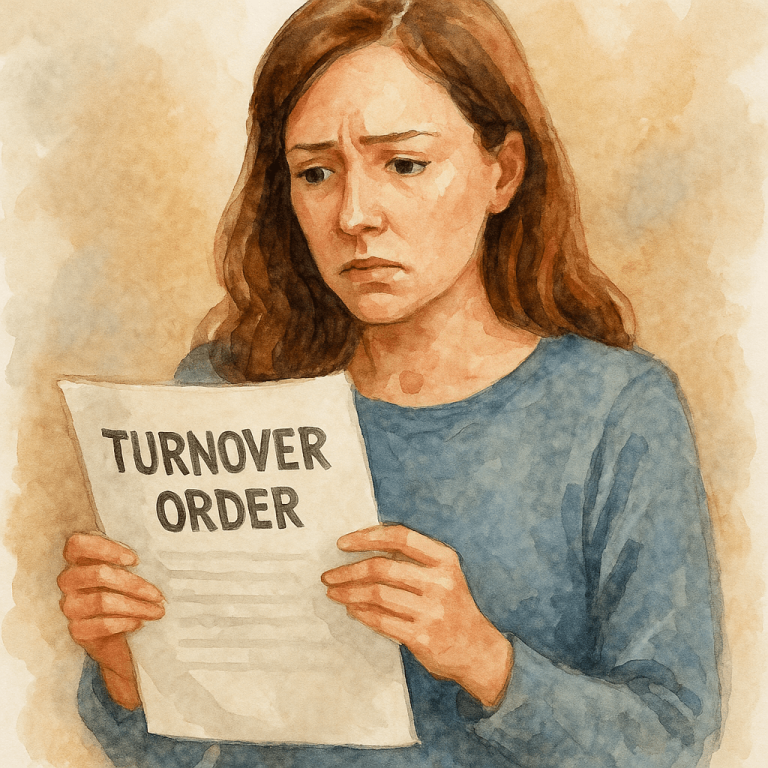
🪨 If a creditor has won a judgment against you, they have the power to take further legal steps to collect the money owed. One of the most aggressive tools available is a turnover order. This is a court directive that forces you—or even third parties—to hand over non-exempt assets to satisfy the judgment.
📈 Debt buyers like Midland Credit Management, LVNV Funding, and Portfolio Recovery Associates may request turnover orders if they think you have valuable property, cash, or accounts that aren’t protected by exemption laws. Here’s what you need to know if you’re facing one.
Related Links
Table of Contents
📐 What Is a Turnover Order?
A turnover order is a court-issued command requiring you to turn over specific assets or property to the judgment creditor. This often happens after a judgment has already been entered against you.
The purpose is to force the transfer of:
- Cash or funds in non-exempt accounts
- Vehicles or equipment (if not exempt)
- Stocks, cryptocurrency, or investments
- Other valuable non-exempt property
The order might require you to physically deliver the asset, write a check, or transfer funds.
📄 How Does a Creditor Get a Turnover Order?
After judgment, the creditor can file a motion for turnover relief with the court. They must show that:
- You own non-exempt property
- That property is not easily accessible through other means (like garnishment)
- The turnover is necessary to enforce the judgment
They may use discovery tools like:
- Post-judgment interrogatories
- Subpoenas for bank or financial records
- A debtor’s examination where you disclose assets under oath
🚫 What Happens If You Ignore a Turnover Order?
Ignoring a turnover order is a serious matter. Because it’s a court order, failure to comply could lead to:
- Contempt of court
- Fines or other penalties
- In extreme cases, civil arrest for non-compliance
The court may also allow the creditor to seize the property by force or obtain further orders to access your accounts or assets.
💼 Can You Fight a Turnover Order?
Yes, in some cases. You can object if:
- The assets are exempt under state or federal law
- You were not given proper notice or time to respond
- The motion is too broad or vague
- The debt has already been paid or settled
You may also request a hearing to challenge the specifics of the order or assert exemptions.
🏛️ Why Legal Help Matters
Turnover orders are complex legal matters. A debt relief attorney can:
- Evaluate whether the assets are protected
- File legal objections or motions to quash the order
- Represent you in hearings
- Prevent aggressive overreach by the creditor
Weston Legal is a firm known for defending consumers in post-judgment situations, including turnover actions. Legal help can be critical to protect your rights and property.
🔹 Creditors Who File Debt Collection Lawsuits
Both original creditors and debt buyers file lawsuits. Original creditors include:
Debt buyers often file lawsuits in bulk and may lack adequate proof.
✅ Conclusion and Final Thoughts
Turnover orders are a powerful tool creditors use to collect after a judgment. If you receive one, don’t ignore it. Understand your rights, review whether the assets are exempt, and seek legal help immediately.
Taking the right action can protect your property and prevent escalating legal consequences. When facing post-judgment collection, it pays to be informed—and proactive.

Mike Weston is a seasoned debt lawsuit defense attorney and founder of Weston Legal. Since 2005, Mike has devoted his career to compassionately helping consumers struggling with issues involving their personal and business debts. Mike is grateful to have been able to help tens of thousands of clients become empowered with knowledge on the path to financial stability.
Meet some of our Lawsuit Staff
Michael

Jessica

Andrew

Courtney

Trent

Reem
